
Summary
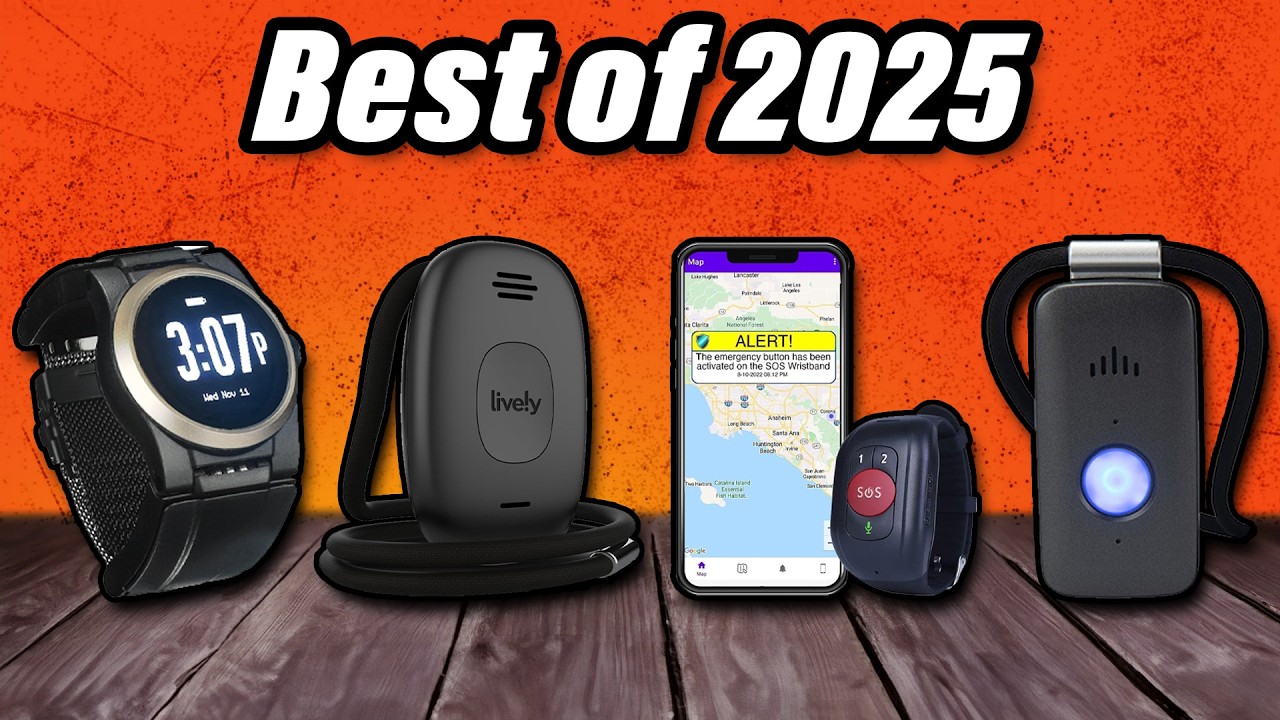
As we approach 2026, **AI-powered** fall detection and wearable sensors are set to transform how seniors maintain their independence. With innovations in **gait analysis** and balance monitoring, these technologies promise to reduce the staggering **30%** of seniors who experience falls each year, leading to serious injuries. Companies like **Apple** and **Fitbit** are at the forefront, integrating advanced algorithms that not only detect falls but also predict them based on user behavior. This shift not only enhances safety but also raises questions about privacy and data security in the realm of health tech.
Key Takeaways
- AI-powered fall detection could significantly reduce injuries among seniors.
- Wearable technology is becoming more prevalent in senior care.
- Data privacy concerns are a major issue with health tech.
- Accessibility and affordability remain barriers to widespread adoption.
- The effectiveness of these technologies is still under evaluation.
Balanced Perspective
From a neutral standpoint, the facts indicate that while **AI and wearable technology** are on the rise, their effectiveness in preventing falls is still being evaluated. Current studies show promise, but widespread adoption will depend on user acceptance and the ability to integrate these technologies into daily life. The market is expanding, with various companies vying for dominance, but it remains to be seen which solutions will prove most effective and reliable for seniors.
Optimistic View
The optimistic view is that these advancements in **AI and wearables** could significantly enhance the quality of life for seniors. With **real-time monitoring** and immediate alerts, families can feel more secure, knowing that their loved ones are protected. The potential for **preventative healthcare** is immense, as these technologies may lead to earlier interventions and reduced healthcare costs associated with fall-related injuries. The integration of these tools could empower seniors to live independently for longer, a prospect that many find exciting.
Critical View
The pessimistic perspective highlights significant concerns about the reliance on **technology** for safety. Critics argue that while wearables can provide data, they may not be foolproof in preventing falls. There are also worries about **data privacy** and the potential for misuse of sensitive health information. Additionally, the financial burden of these devices may be prohibitive for many seniors, potentially widening the gap in healthcare access. If these technologies fail to deliver on their promises, the consequences could be dire for vulnerable populations.
Source
Originally reported by US News Health